Loader attachments: what has to match before an attachment fits your machine
Quick coupler, hydraulic flow, pressure and the electrical connector: the four things to check before ordering a sweeper, mulcher or bucket for a skid steer, telehandler or tractor.
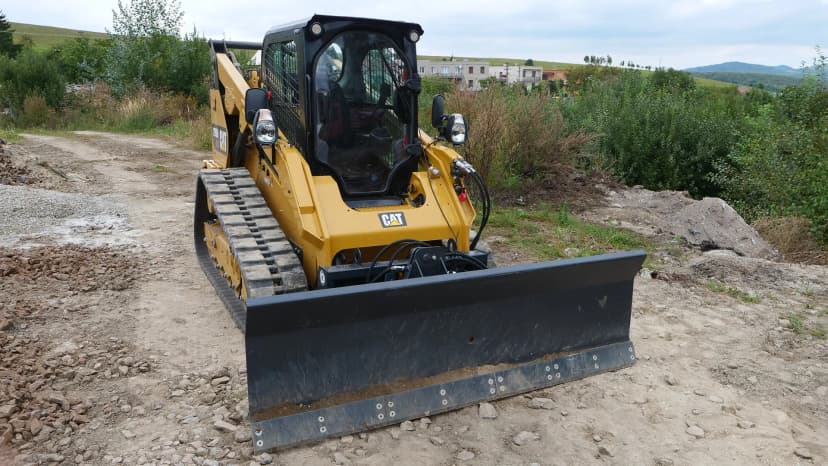
An attachment is only as good as its fit to the carrier. Most returns and most disappointing first days on site trace back to one of four mismatches, and all four can be checked from the carrier's data plate and manual before anything is ordered.
One: the quick coupler
Skid steer loaders mostly use the universal skid steer plate, telehandlers and wheel loaders use a handful of manufacturer-specific couplers, and tractors use Euro or SMS frames. The attachment has to carry the matching interface, or an adapter plate between the two, which adds weight and moves the load further from the machine. Name the carrier model and the coupler type; a photo of the coupler helps.
Two: hydraulic flow and pressure
Powered attachments such as sweepers, mulchers, augers and snow blowers are driven by the carrier's auxiliary hydraulics. The hydraulic motor is chosen for a flow range; too little flow and the tool runs slowly, too much and the motor overheats or the relief valve opens. Standard flow on compact loaders is roughly 60–90 l/min, high flow 100–150 l/min. Check the auxiliary flow in the manual, not the pump flow of the whole machine.
- Flow (l/min) decides the speed of the tool.
- Pressure (bar) decides the torque available at the tool.
- Case drain: some motors need a third, unpressurised return line. If the carrier has none, the attachment must be specified without it.
Three: the electrical connector
Attachments with their own functions (a sweeper with a collector and water spray, a snow plough with hydraulic angling) are controlled from the cab through a connector. The pin layout differs by manufacturer. Send the type of the connector on the carrier, or the wiring will be adapted at delivery.
Four: weight and tipping load
A heavy attachment reduces what the carrier can lift: the rated operating capacity of a skid steer already assumes a bucket, and a 400 kg grapple leaves that much less for the load. Compare the attachment mass with the tipping load of the carrier at full reach, especially on telehandlers.
What to send us
- Carrier make and model, and the coupler type (a photo is enough).
- Auxiliary hydraulic flow and pressure from the manual; whether a case drain line exists.
- The electrical connector on the carrier, if the attachment has powered functions.
- The work: material, width to cover, hours per day. It decides the size of the tool.
Questions and answers
Can one attachment be used on two different carriers?
Yes, with a second coupler interface or an adapter plate, as long as both carriers provide the flow and pressure the tool needs. Tell us both machines and we quote the interface that fits.
What happens if the hydraulic flow is too high for the attachment?
The hydraulic motor runs above its rated speed and heats up, and the carrier's relief valve opens repeatedly. The motor is chosen for the carrier's flow range, so always send the auxiliary flow value.
Do I need a case drain line?
Only for attachments whose motor has a separate drain, typically high-flow mulchers and some sweepers. If the carrier has no third line, we specify a motor that does not need one.